Most treated poles in South Africa are eucalyptus, or gum. Plantation-grown trees such as Eucalyptus grandis grow fast and straight, giving long, evenly tapered poles that are strong for their weight. Rose gum (E. grandis) averages about 800 kg/m³ at 12% moisture and is used for framing, cladding, flooring and joinery, according to Business Queensland.
Eucalyptus has one weakness: untreated, it is not durable in the ground and it is not termite resistant. That is why gum poles are pressure treated before use. This guide covers eucalyptus timber’s strength, sustainability, versatility and long-term value, and why treated gum is the backbone of South African fencing and building.
Key Takeaways
- Eucalyptus timber is an eco-friendly option for sustainable building materials, offering durability, resilience, and long-term structural integrity.
- It is a renewable resource that can be grown and harvested quickly, promoting forest regeneration and reducing deforestation.
- Eucalyptus timber exhibits exceptional resistance to weather and pest damage, reducing the need for maintenance and increasing its lifespan to over 50 years without decay.
- Using eucalyptus timber in construction can reduce the carbon footprint of projects, as it requires less energy for production and use, and is biodegradable and easily recyclable, promoting a circular economy.
Durability and Resilience
Durability and resilience are key characteristics of eucalyptus timber, making it a highly favorable choice for construction purposes. Eucalyptus timber has a remarkable longevity, with some species lasting over 50 years without significant decay. This durability ensures that structures built with eucalyptus timber require minimal maintenance, reducing long-term costs and environmental impact. Additionally, eucalyptus timber’s natural resistance to pests, such as termites, further enhances its durability.
Furthermore, the use of eucalyptus timber in construction has positive implications for local communities. Eucalyptus plantations, which provide the source for the timber, can create employment opportunities and contribute to economic growth. Local communities can benefit from the timber industry through job creation and increased revenue. Moreover, the sustainable management of eucalyptus plantations ensures the preservation of natural habitats and biodiversity.
Transitioning into the subsequent section about sustainability and environmental benefits, eucalyptus timber’s durability and resilience are crucial aspects that make it an eco-friendly choice for construction.
Keen on understanding the benefits of Eucalyptus timber? We unveil its features in our detailed guide. Learn More!
Sustainability and Environmental Benefits
Sustainability in construction is strengthened through the use of eucalyptus timber due to its environmental advantages. Eucalyptus timber is a renewable resource that offers numerous benefits in reducing the carbon footprint of construction projects.
- Eucalyptus trees have a rapid growth rate, allowing for efficient and sustainable harvesting practices. This helps to minimize deforestation and promotes the regeneration of forests.
- The production and use of eucalyptus timber require less energy compared to other construction materials, further contributing to the reduction of greenhouse gas emissions.
- Eucalyptus timber is biodegradable and can be easily recycled, reducing waste and promoting a circular economy.
By choosing eucalyptus timber for construction projects, builders can significantly reduce their environmental impact and contribute to a more sustainable future.
In the next section, we will explore the versatility of eucalyptus timber in various construction applications.
Versatility in Construction Applications
The versatility of eucalyptus timber becomes apparent in its wide range of applications across various construction projects, allowing for innovative and adaptable designs to address the evolving needs of the built environment. Eucalyptus timber’s flexibility in design enables architects and builders to create unique and aesthetically pleasing structures. Its structural strength makes it suitable for a variety of construction applications, including framing, flooring, decking, and cladding. Eucalyptus timber’s ability to withstand heavy loads and resist warping or twisting ensures the longevity of the structures it is used in. Additionally, its natural beauty and warm tones add a touch of elegance to any project.
| Application | Description |
|---|---|
| Framing | Provides structural support and stability to buildings. |
| Flooring | Creates a durable and visually appealing surface for walking. |
| Decking | Offers an outdoor space for relaxation and entertainment. |
| Cladding | Protects the building from external elements and enhances its appearance. |
| Joinery | Creates decorative and functional elements such as doors, windows, and furniture. |
With its flexibility and structural strength, eucalyptus timber proves to be a versatile and reliable choice for construction projects. Transitioning to the subsequent section, eucalyptus timber’s resistance to weather and pest damage will further highlight its exceptional qualities.
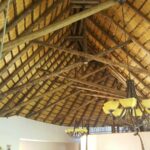
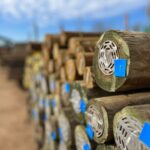
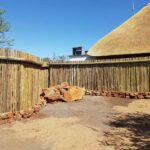
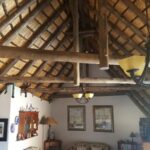
That combination of straight growth and deep treatment is what makes treated gum so versatile: our CCA treated gum poles run from 1.2 m garden posts to 14 m roof and jetty poles. For the full story on termites and borers, read is eucalyptus wood termite resistant?
Resistance to Weather and Pest Damage
Despite its impressive resistance to weather and pest damage, eucalyptus timber ensures the long-term integrity and stability of construction projects. This makes it an ideal choice for a variety of applications where weatherproofing and pest control are crucial. Here are some key features and benefits of eucalyptus timber in this regard:
- Weatherproofing: Eucalyptus timber has natural oils and resins that make it highly resistant to water damage, preventing warping, splitting, and rotting.
- Pest Control: The inherent properties of eucalyptus timber make it unattractive to termites and other pests, reducing the risk of infestation and damage.
- Durability: Eucalyptus timber is known for its strength and durability, ensuring that structures built with it can withstand harsh weather conditions.
- Low Maintenance: Due to its natural resistance, eucalyptus timber requires minimal maintenance, saving time and effort in the long run.
With its exceptional weather and pest resistance, eucalyptus timber provides a reliable and sustainable solution for construction projects. Furthermore, its aesthetically pleasing and natural appearance adds to its appeal.
Aesthetically Pleasing and Natural Appearance
An interesting statistic to consider is that eucalyptus timber’s natural and aesthetically pleasing appearance has been found to increase property value by an average of 7%. This is due to its ability to enhance the overall aesthetic appeal of a space.
Eucalyptus timber offers a range of timber finishes that can be customized to suit different design trends. Whether it is a sleek, modern look or a rustic, traditional style, eucalyptus timber can be transformed to meet various design preferences. Its natural grain patterns and warm hues add a touch of elegance and sophistication to any construction project.
Moreover, the use of eucalyptus timber promotes a connection with nature, which is increasingly valued by individuals seeking a calming and peaceful environment. This natural and pleasing appearance sets the stage for the subsequent section about the cost-effectiveness and long-term value of eucalyptus timber in construction projects.
Cost-Effectiveness and Long-Term Value
Cost-effectiveness and long-term value are important considerations in construction projects, as they determine the economic viability and return on investment for stakeholders. When it comes to choosing timber for construction purposes, eucalyptus timber stands out as a cost-effective option with long-term value. Here are five reasons why:
- Durability: Eucalyptus timber is known for its strength and resistance to decay, making it a durable choice that can withstand various weather conditions and pests.
- Low maintenance: Due to its natural properties, eucalyptus timber requires minimal maintenance, resulting in cost savings over time.
- Fast growth: Eucalyptus trees grow rapidly, allowing for a sustainable and readily available source of timber, reducing production costs.
- Versatility: Eucalyptus timber can be used for a wide range of construction applications, including framing, flooring, and cladding, providing flexibility and cost-saving measures.
- Energy efficiency: Eucalyptus timber has excellent thermal insulation properties, reducing energy consumption and costs associated with heating and cooling.
By considering these factors, stakeholders can make an informed decision and choose eucalyptus timber for their construction projects, ensuring cost-effectiveness and long-term value.