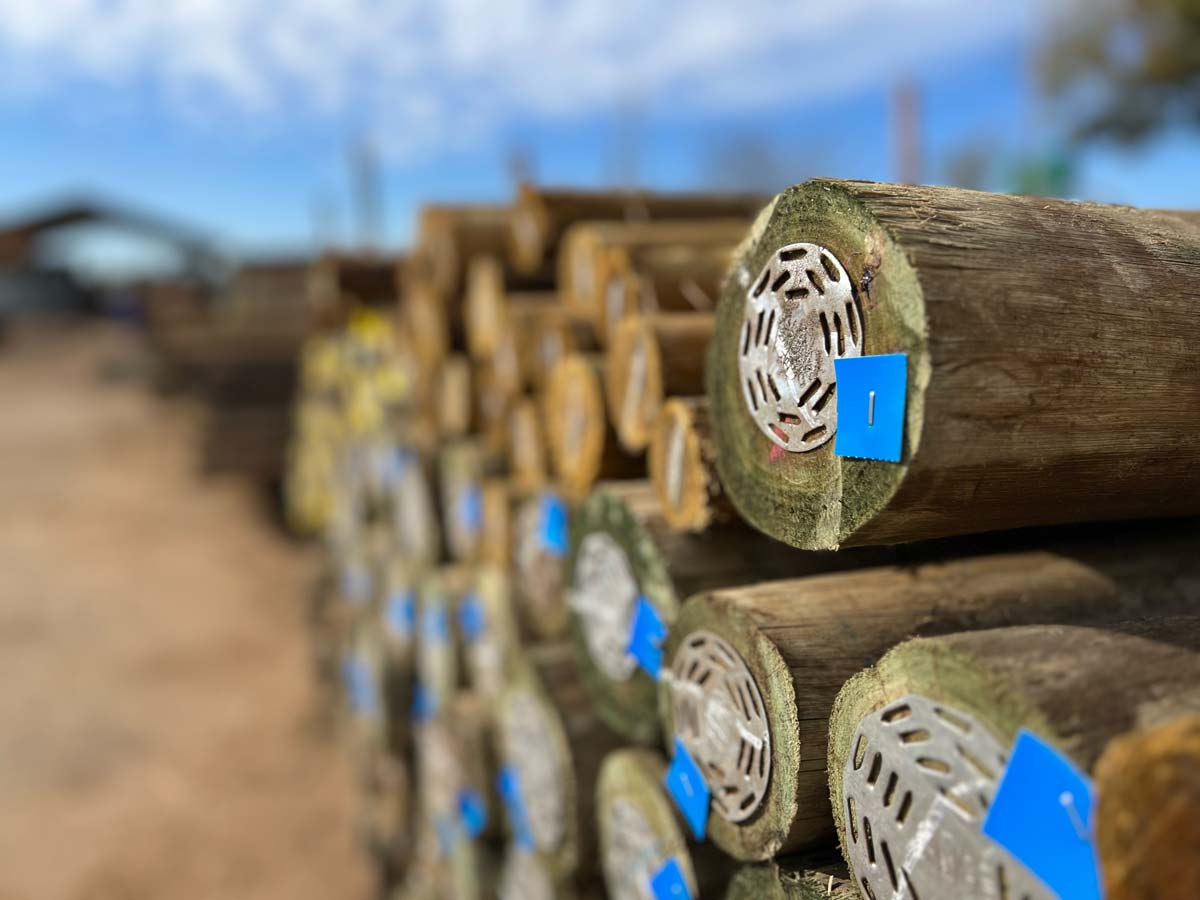
Gum Pole Sizes in South Africa: Lengths, Diameters & Uses
A plain-language guide to gum pole sizes in South Africa: how lengths and top diameters are written, a size chart by project, how deep poles go in the ground and how prices work.

A plain-language guide to gum pole sizes in South Africa: how lengths and top diameters are written, a size chart by project, how deep poles go in the ground and how prices work.

What timber grades and classifications mean, how eucalyptus and treated poles are graded and marked in South Africa (SANS, SABS, H-class) and how to choose.
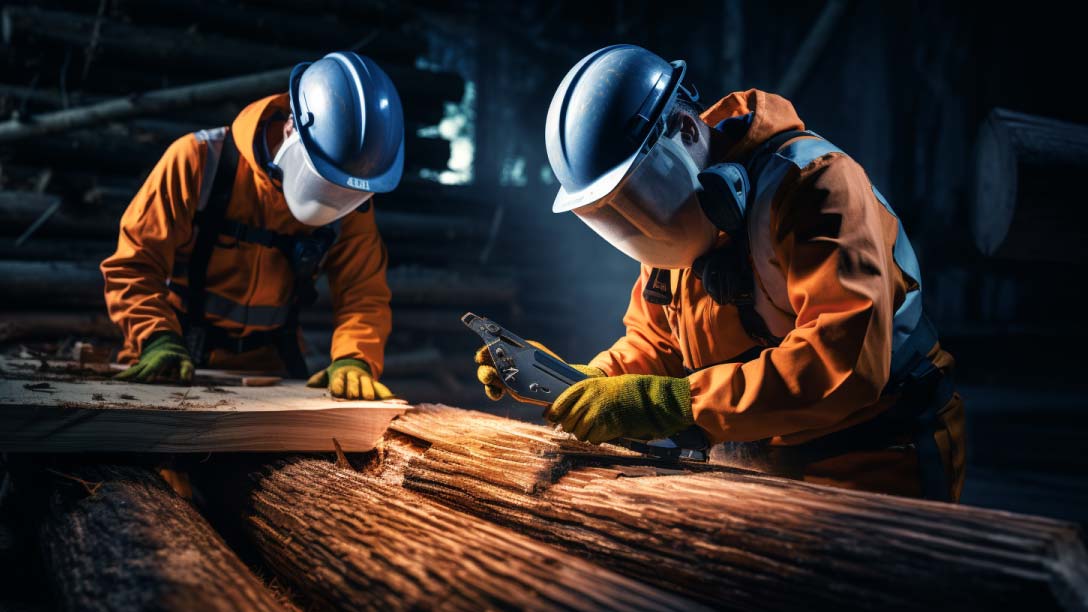
What SAWPA membership and the SABS mark mean on treated poles, how to read the markings on a pole and why certified timber protects your fence, roof or kraal.

CCA or creosote? Compare how each treatment works, where each pole belongs, safety, lifespan and cost, from South African pole treaters Commondale Poles.
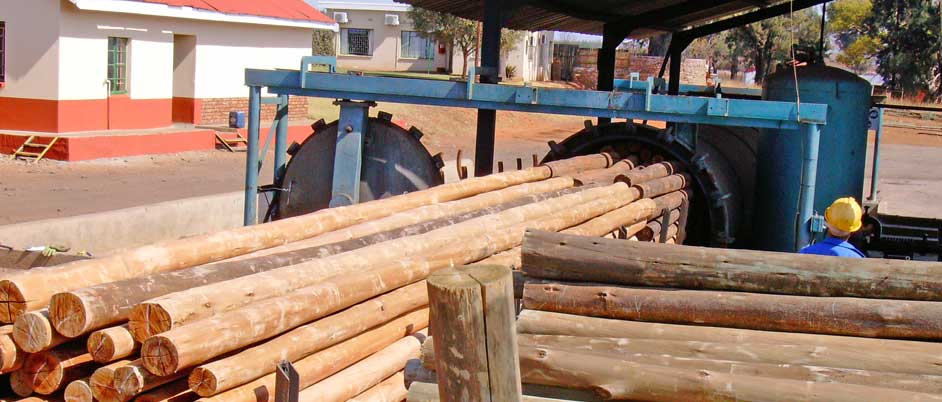
From debarking and drying to vacuum-pressure impregnation: how gum poles are treated with CCA or creosote, what H-classes mean and why SABS approval matters.
Is timber a renewable resource? Follow a gum pole from plantation to treatment and decades of service, and see why long-lasting treated timber is a sustainable choice.
Why South African treated poles are made from eucalyptus: strength, straight growth, how long it lasts in the ground (treated vs untreated) and the best uses.
Untreated plantation gum is not termite resistant and has a short life in the ground. Here is how CCA treatment protects eucalyptus poles from termites, borers and rot.

CCA (chromated copper arsenate) treated timber explained: what the H-classes mean, where CCA poles belong, safe handling and what to ask your supplier.
Is creosote or CCA treated timber safe? What to know about handling, where not to use treated poles, why you should never burn offcuts and how to dispose of waste.